

Category: News
-
JupyterHub Disconnects
Frequent disconnects from JupyterHub with one of these messages.
-
Conda Environments
Creating a Conda environment or installing a package causes an indefinite hang.
-
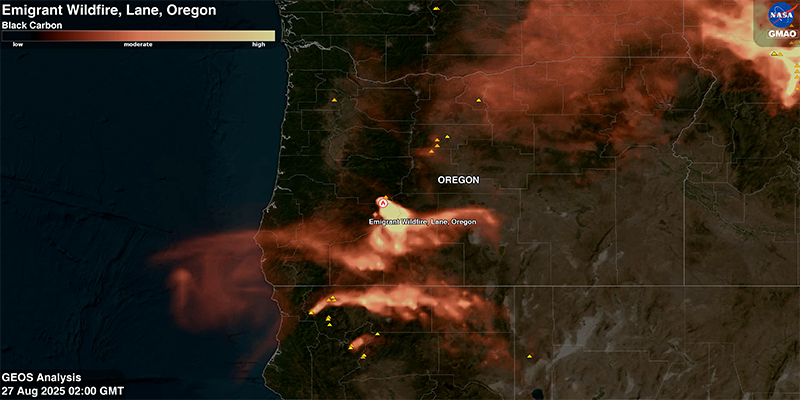
Daily Visualizations of the Largest Wildfires in the United States
NASA’s Scientific Visualization Studio (SVS) and Global Modeling and Assimilation Office (GMAO) are sharing daily updated visualizations of the two largest active wildfires events in the continental United States throughout fire season. Leveraging NASA’s Goddard Earth Observing System (GEOS) model, the SVS and GMAO target the precise locations of these fire events and generate visualizations…
-
Large Resource Request
My job requires more time or resources than are currently allowed.
-
CSS Read Performance
Reading from CSS in parallel is very slow on Discover.
-
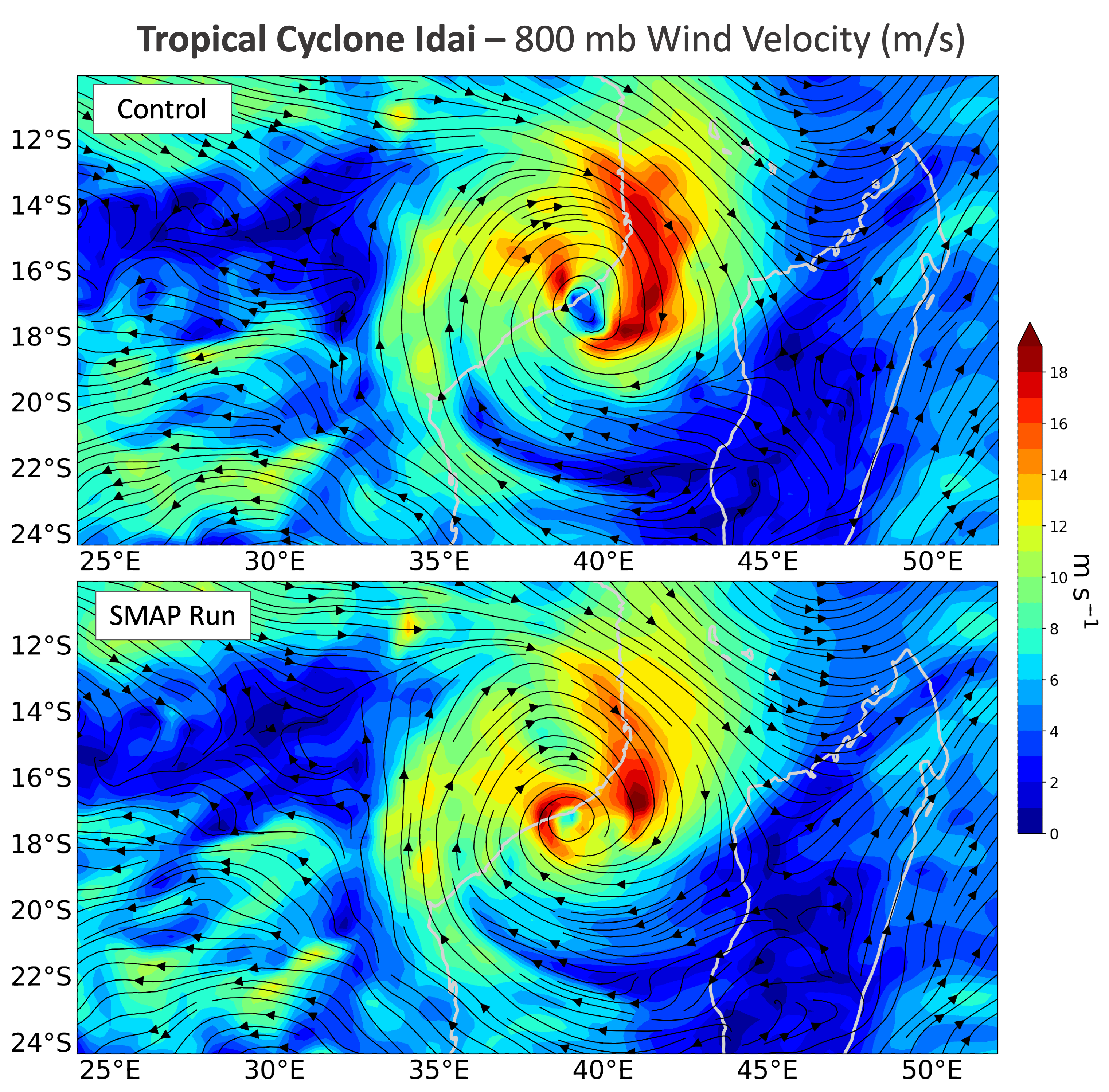
SMAP Radiance Assimilation Over Land Improves Analysis and Prediction of Tropical Cyclone Idai
A recently published paper from NASA Global Modeling and Assimilation Office (GMAO) scientists shows how data assimilation of soil moisture into GEOS — running at the NASA Center for Climate Simulation (NCCS) — can help improve modeling of tropical cyclones that interact with land.
-
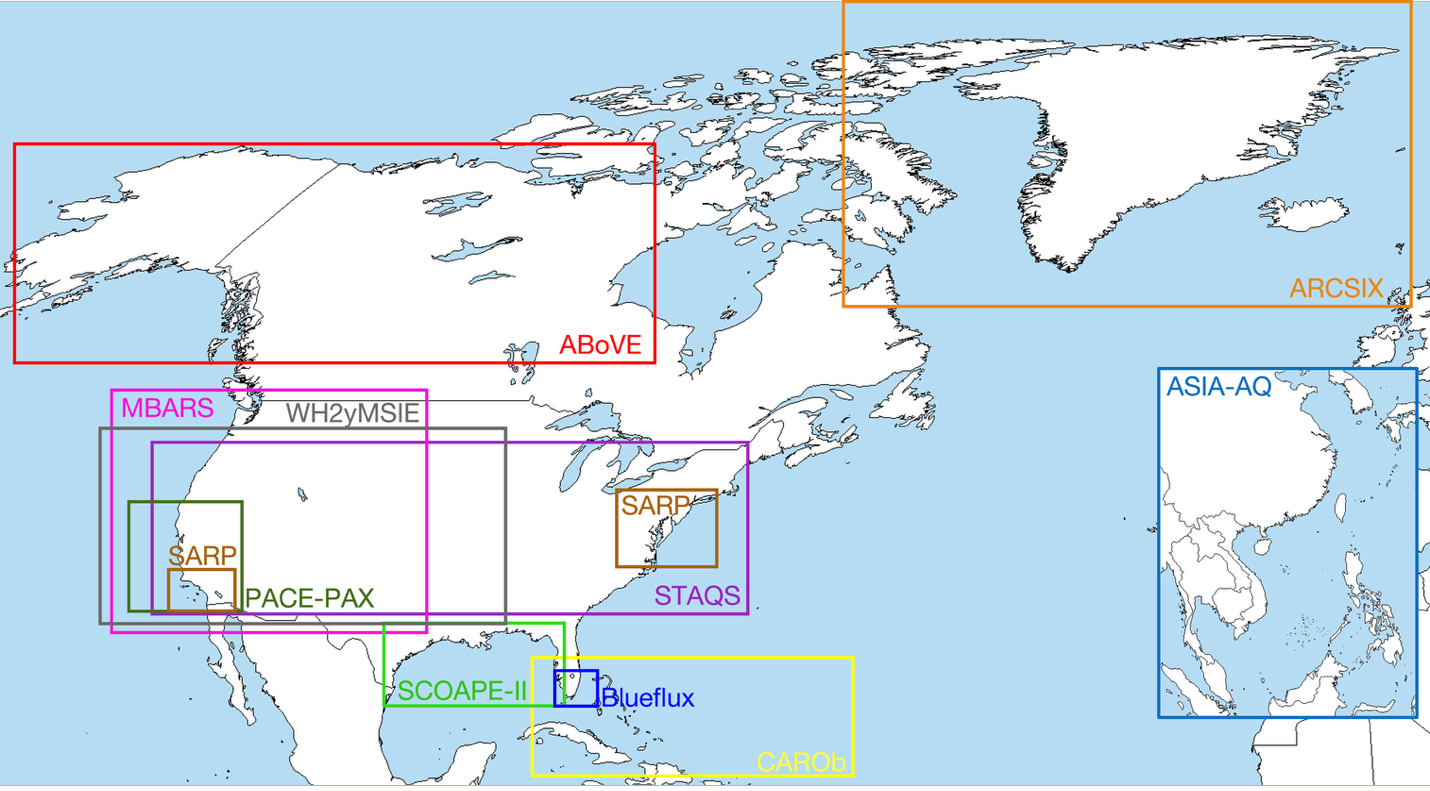
GMAO Campaign Support Highlights Versatility and Range of Product Capabilities
Every year, NASA’s Global Modeling and Assimilation Office (GMAO) sponsors up to a dozen or more in-situ Earth observing field campaigns. Vital to campaign supports are the GMAO’s GEOS-Forward Processing (GEOS-FP) and GEOS-Composition Forecasting (GEOS-CF) models, the DataPortal, and FLUID visualization system — all running at the NASA Center for Climate Simulation (NCCS).
-
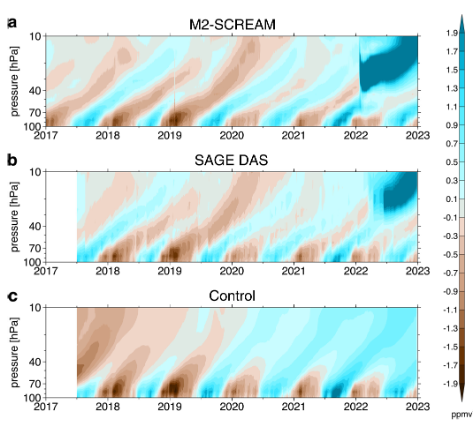
SAGE III/ISS Data Assimilation System Effective in Reducing Stratospheric Observational Data Gaps
With the primary tool for vital stratospheric water vapor observations set to reach the end of its life, a new data assimilation system (DAS) developed by past and current Global Modeling and Assimilation Office (GMAO) scientists can help fill in future data gaps using other existing sensors. The new GMAO DAS runs at the NASA…
-
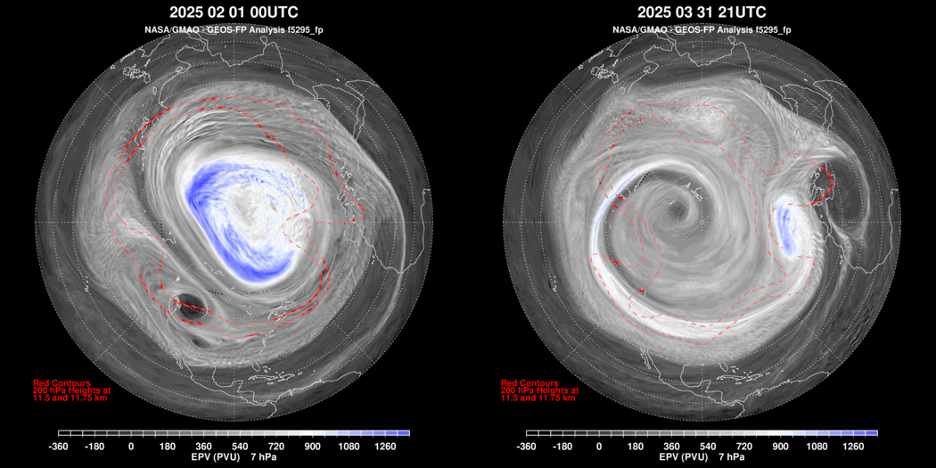
The Stratospheric Sudden Warming of March 2025 Abruptly Ended the NH Stratospheric Polar Vortex
A cold stratospheric polar region characterized most of the NH winter of 2024-2025, with a major final warming in early March. The NASA Global Modeling and Assimilation Office’s GEOS-FP and GEOS-S2S products were able to forecast and characterize the evolution of this SSW event. GEOS-FP and GEOS-S2S run at the NASA Center for Climate Simulation.
-
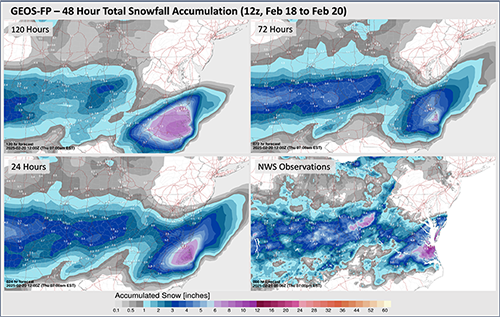
GEOS-FP Excels at Predicting Presidents’ Week Mid-Atlantic Snowfall
A large snowstorm struck the Mid-Atlantic just after Presidents’ Day. While many NWP models had to shift their snowfall locations in the days leading up the event, GEOS-FP had the snowstorm correctly forecasted from the beginning. GEOS-FP runs daily at the NASA Center for Climate Simulation.