
Author: Douglas Carl
-
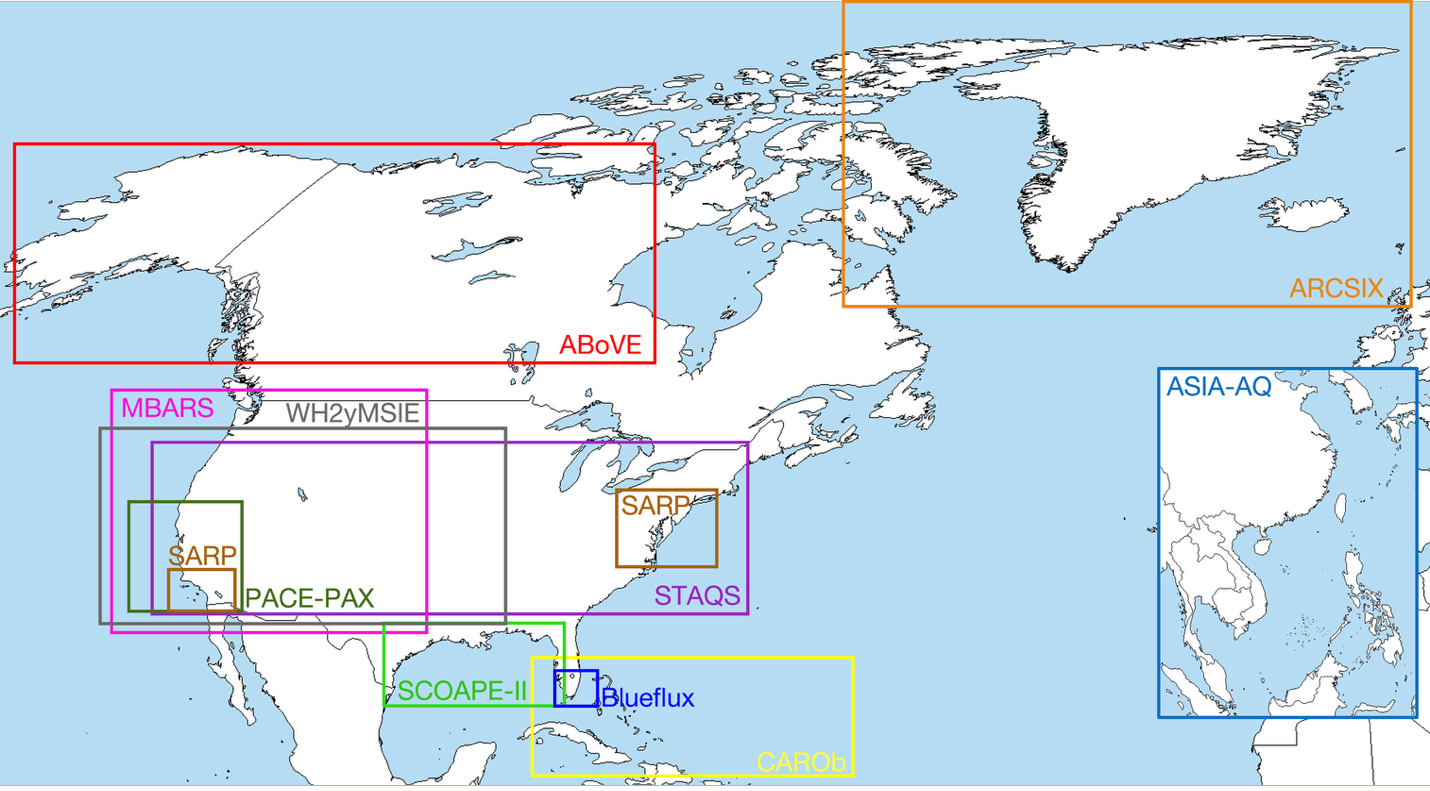
GMAO Campaign Support Highlights Versatility and Range of Product Capabilities
Every year, NASA’s Global Modeling and Assimilation Office (GMAO) sponsors up to a dozen or more in-situ Earth observing field campaigns. Vital to campaign supports are the GMAO’s GEOS-Forward Processing (GEOS-FP) and GEOS-Composition Forecasting (GEOS-CF) models, the DataPortal, and FLUID visualization system — all running at the NASA Center for Climate Simulation (NCCS).
-
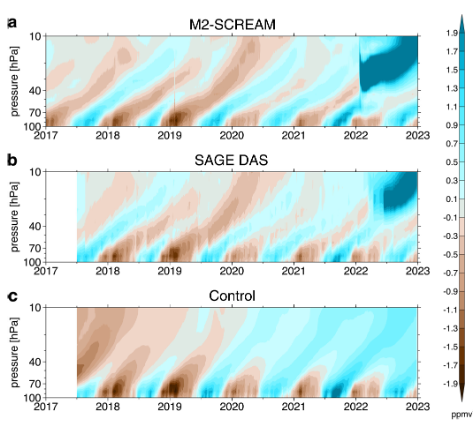
SAGE III/ISS Data Assimilation System Effective in Reducing Stratospheric Observational Data Gaps
With the primary tool for vital stratospheric water vapor observations set to reach the end of its life, a new data assimilation system (DAS) developed by past and current Global Modeling and Assimilation Office (GMAO) scientists can help fill in future data gaps using other existing sensors. The new GMAO DAS runs at the NASA…
-
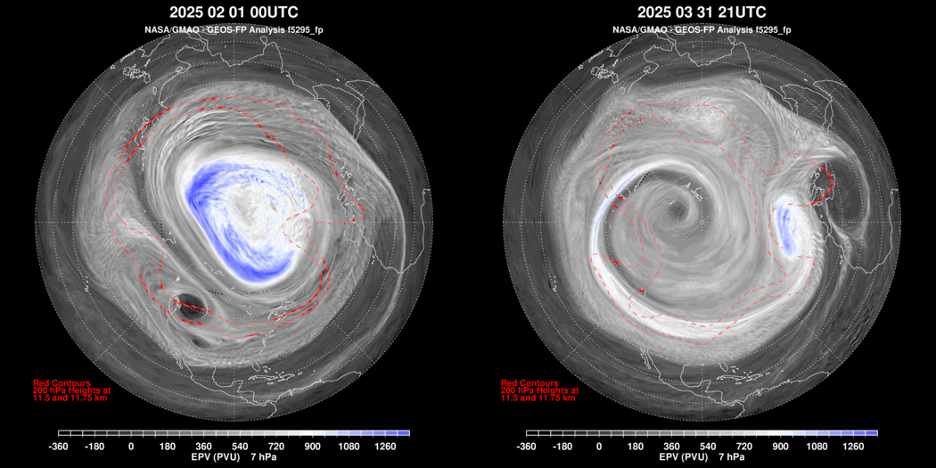
The Stratospheric Sudden Warming of March 2025 Abruptly Ended the NH Stratospheric Polar Vortex
A cold stratospheric polar region characterized most of the NH winter of 2024-2025, with a major final warming in early March. The NASA Global Modeling and Assimilation Office’s GEOS-FP and GEOS-S2S products were able to forecast and characterize the evolution of this SSW event. GEOS-FP and GEOS-S2S run at the NASA Center for Climate Simulation.
-
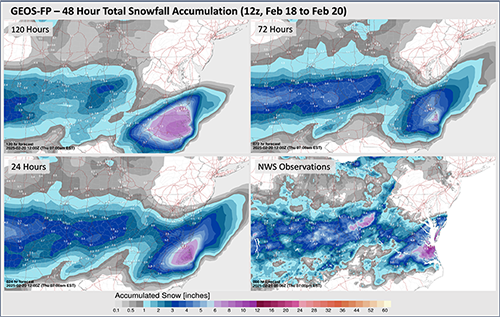
GEOS-FP Excels at Predicting Presidents’ Week Mid-Atlantic Snowfall
A large snowstorm struck the Mid-Atlantic just after Presidents’ Day. While many NWP models had to shift their snowfall locations in the days leading up the event, GEOS-FP had the snowstorm correctly forecasted from the beginning. GEOS-FP runs daily at the NASA Center for Climate Simulation.
-
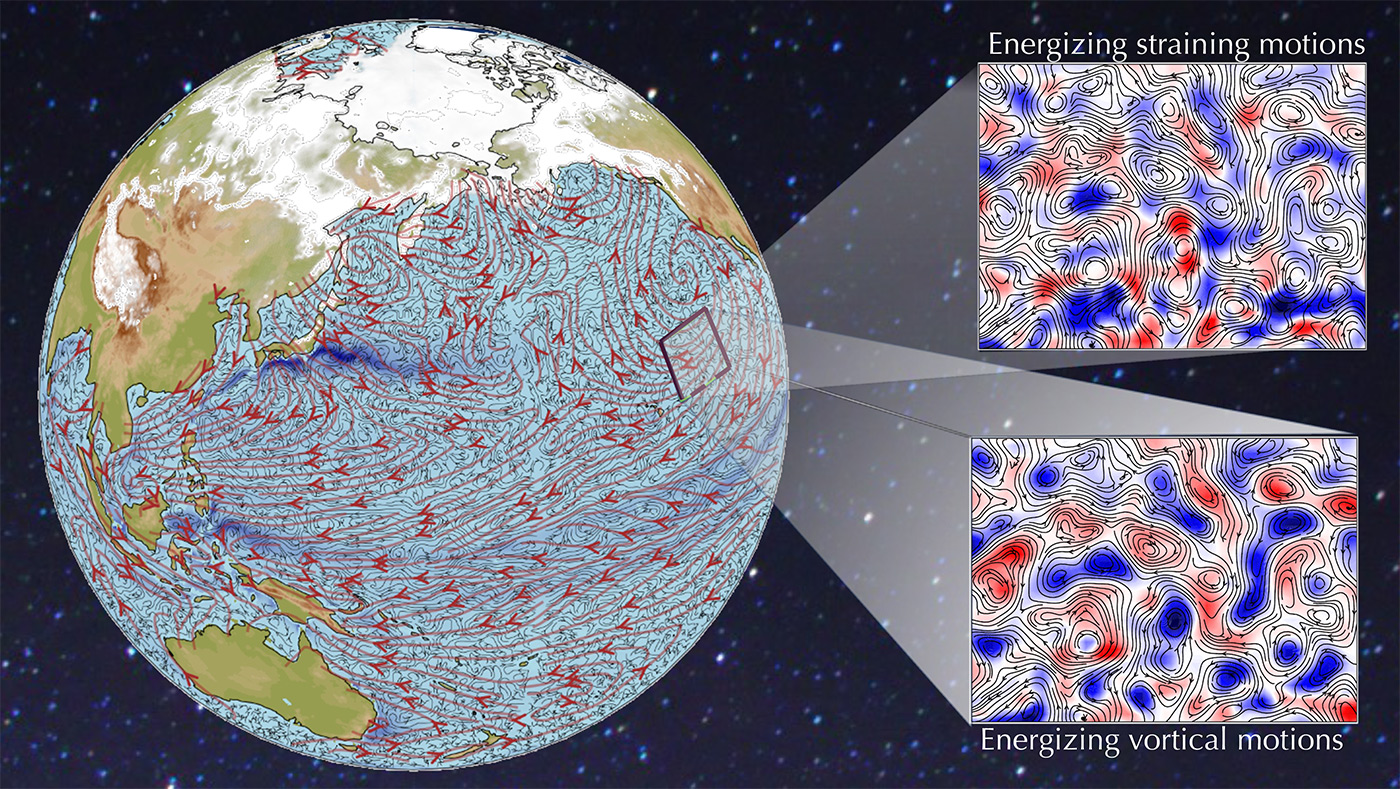
How Does the Atmosphere Affect Ocean Weather?
The NASA Center for Climate Simulation (NCCS) helped enable University of Rochester research revealing the surprising ways atmospheric winds influence ocean eddies, shaping the ocean’s weather patterns in more complex ways than previously believed.
-
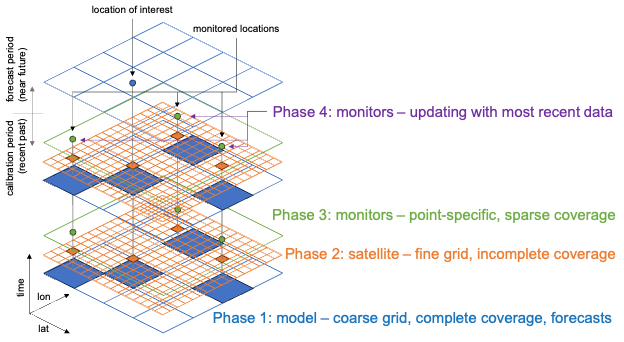
Uncertainty Quantification for Air Quality Forecasting using Multiple Data Sources
Enabled by the NASA Center for Climate Simulation (NCCS), NASA Global Modeling and Assimilation Office scientists have continued their work on air quality forecasting by using various phases to lessen the level of uncertainty. See how these results can help improve forecasts and inform the public on dangerous air quality in advance.
-
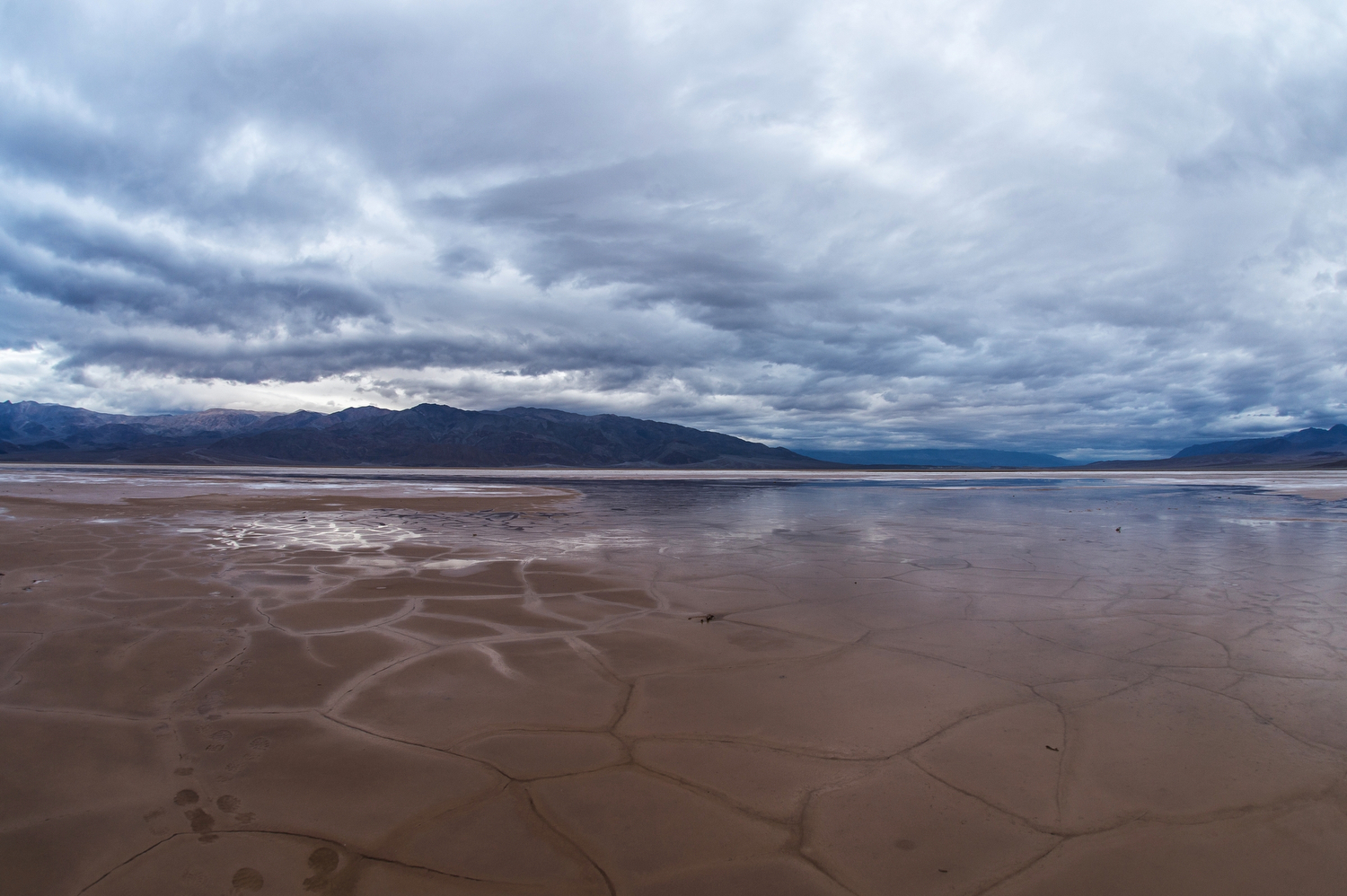
NASA Scientists Find New Human-Caused Shifts in Global Water Cycle
In a recently published paper, NASA scientists use nearly 20 years of observations to show that the global water cycle is shifting in unprecedented ways. The majority of those shifts are driven by activities such as agriculture and could have impacts on ecosystems and water management, especially in certain regions. The scientists leveraged the NASA…
-
Anaconda License Issue
Anaconda is now requiring a paid license.
-
Discover Temporary Storage
Where is the best place to write temporary (scratch) data on Discover?
-
MAC SSH Login Errors
MacOS 13.4 users may be seeing the following error when they attempt to login to NCCS systems (Discover, Dirac, ADAPT)